
Nail Clipper Sample Inspection Checklist for Private-Label Buyers
A nail clipper sample should be approved against a written inspection checklist before artwork, packaging or a bulk order is confirmed. Record the model, specification revision, visible blade condition, lever action, finish, logo position and pack format. Add photographs and a clear disposition for every sample. The signed reference then gives the buyer and supplier the same version to compare with future production. This nail clipper sample inspection checklist is for private-label product managers, importers and sourcing teams that need a repeatable approval record.
Begin with the intended product, not a generic request for a "good" clipper. State the model or reference image, target market, declared material, finish description, key dimensions, logo artwork, packaging format and any test method the project requires. Values and tolerances should come from the approved specification for that model. A material name or polished appearance alone does not establish an alloy grade, hardness, coating process or performance result.
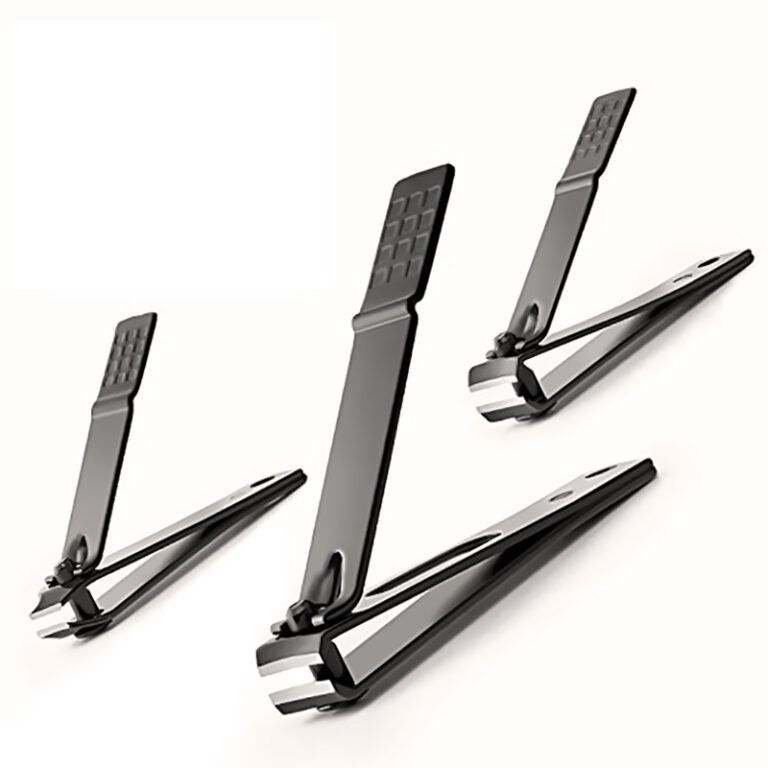
How to Use a Nail Clipper Sample Inspection Checklist Before a Bulk Order
Assign a sample code and date before the review begins. Keep the supplier’s declaration, drawing, artwork revision and packaging file beside the physical sample. If several suppliers or constructions are being compared, use the same checklist and test conditions for each one. This makes the differences readable and prevents a price quote from being compared against a sample built to another assumption.
The first review can cover visible identity and completeness: correct model, components, finish, logo location, accessory count and packaging version. Photograph the complete sample and any defect with a scale or reference point. Avoid notes such as "looks fine" or "quality is poor." A useful record names the location, condition and agreed limit, then marks the item pass, fail or pending clarification.
How Should Buyers Check Nail Clipper Blade Alignment?
Inspect the closed cutting edges under consistent lighting and from the same viewing angles. Record any visible side-to-side offset, incomplete contact, edge damage, burr, stain or surface mark. The checklist should show which conditions are cosmetic, which affect function, and which require the sample to be rejected. That classification belongs in the project specification; it should not be decided from an isolated photograph after production starts.
Add an agreed function trial for the offered model. Define the test medium, method, number of samples and acceptance description before testing. "Sharp" is not a reproducible instruction. A better record identifies the sample code, method used, observed result and any damage or change after the trial. The result applies to the tested sample and conditions. It does not prove universal cutting performance or service life.
Compare the accepted sample with the current drawing and material declaration. Buyers reviewing stainless steel nail clippers or carbon steel nail clippers should request the grade or construction evidence that is available for the offered item. The article category name is not a substitute for a project-specific declaration.
What Should a Nail Clipper Function Test Record?
Operate the lever and pivot through the agreed test sequence. Note lever travel, hinge movement, rebound, looseness, interference and any visible change. If the project requires a cycle test, the method, cycle count and pass criteria need written approval. Do not copy a test count from another clipper size or construction without confirming that it applies.
Check the sample in the condition in which a buyer or user will receive it. Protective sleeves, catches, files, chains or other accessories should be listed only when they belong to the selected model. Confirm that moving parts do not damage the approved surface or printed area during normal handling defined for the review. Record observations separately from conclusions so the supplier can reproduce the check.
Finish approval also needs a controlled reference. State the color or finish description, viewing conditions and acceptable cosmetic limits. A visible color does not prove PVD, plating, paint, titanium or another process. Ask the supplier to declare the offered process when it matters to the order, and keep that declaration with the approved sample file.
Which Nail Clipper Defects Belong in the Inspection Sheet?
Build the defect list from the product specification and intended market. Possible inspection fields include wrong model, missing component, blade misalignment, edge damage, lever interference, loose assembly, finish inconsistency, incorrect logo, wrong pack count, damaged packaging and an obsolete label revision. These are checklist fields, not universal defect classifications. The buyer and supplier need to agree which conditions are critical, major or minor for the project.
Packaging belongs in the same version-controlled approval pack. Confirm unit count, insert or protective method, artwork revision, barcode data supplied by the buyer, label position and carton identification where applicable. Photograph the approved packed sample. If market-specific warnings or compliance information are required, obtain qualified advice and place the approved text in the controlled packaging file.
The signed sample does not replace a later production-inspection plan. The purchase agreement should identify the lot, sampling method, defect classes and acceptance rules. ISO 2859-1:2026 defines AQL-indexed sampling schemes for lot-by-lot inspection by attributes. It does not define a nail clipper specification, choose the project’s defects or supply a default AQL for every order. Agree the plan with the supplier or a qualified quality professional.
Keep the final approval pack compact: dated specification, sample code, signed disposition, drawing, material declaration, artwork, packaging file, defect photographs and test method. Store one controlled reference with the buyer and, when practical, one with the supplier. Any later change to the model, finish, logo, packaging or test method should create a new revision instead of silently replacing the approved record.
Buyers can review Topcom’s Nail Clippers category before preparing the sample brief. To request a feasibility review, send the selected model, target market, artwork, packaging format and proposed checks through the beauty tools inquiry form. Material, tolerances, testing, MOQ, timing and packaging remain subject to confirmation for the requested project.