
Product sourcing / Eyelash curlers
Are eyelash curler pads universal? A B2B fit guide
Eyelash curler pads should be matched to a specific curler model. A similar color or stated length does not establish compatibility: the pad also needs to fit its holder and meet the moving upper bar in the intended position. For private-label buyers, the practical starting point is a named curler-and-pad pairing, supported by a drawing, assembled samples and agreed checks. Approve that pairing before describing a refill as compatible or including it in a retail pack.
A replacement pad is easy to overlook during a new product launch. The team may spend weeks on the handle finish, logo and box, then describe the spare as a generic accessory. That leaves a question for the next order: which pad belongs to which curler? A buyer can address it during sample approval by giving the pad its own reference and linking it to the approved frame.
How should buyers choose eyelash curler replacement pads?
Start with the exact tool the refill is intended to support. Ask for the model reference, a front view of the head, a side view with the pad installed, and the supplier's proposed refill reference. Confirm whether the specification covers a spare included with a new curler, a separately sold refill, or both. Those are different packing and identification tasks even when the physical part is the same.
Manufacturer guidance gives a reason to be cautious about substitutions. Tweezerman's official FAQ advises against replacement pads from other brands because they may affect how its curler performs. SHISEIDO lists an identified refill product for its eyelash curler. These examples support checking the intended pairing; neither establishes compatibility between different brands or an approval for another supplier's product.
Treat “universal” as a claim that needs a defined scope. If a supplier proposes one refill for several models, request the model list and evidence for each pairing. A successful check on one curler does not cover a different holder or head geometry. For a narrow product range, a clearly identified refill for a named model gives purchasing, packing and customer support a reference they can all use.
Topcom's eyelash curler range helps buyers identify the tool family. Once you select a model, discuss the pad and frame together. A category name such as metal eyelash curler describes the product family; the compatibility decision still belongs to the selected assembly.
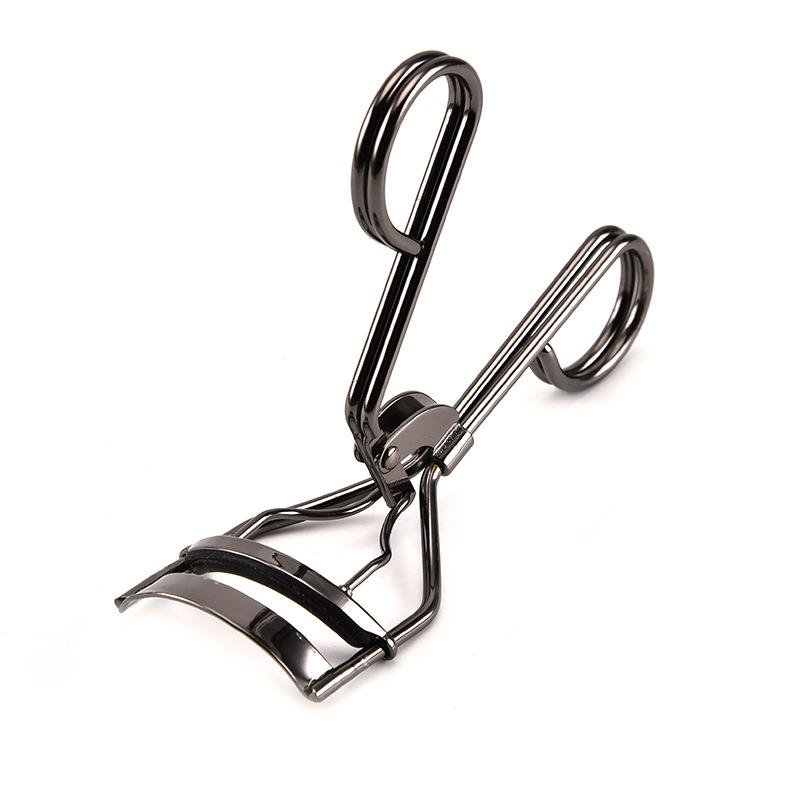
Are all eyelash curler pads the same size?
Do not assume that two pads described with the same nominal length have the same fit. First establish how the length was measured. A straight distance between the ends and a measurement along a curved part describe different paths. The drawing should identify the datum, the unit and whether the measurement applies to a loose pad or one installed in its holder. Otherwise, two suppliers can give apparently comparable numbers while measuring different things.
The cross-section also deserves attention. Record the part that sits in the holder, the exposed working profile and the installed height. A refill can appear similar from above while having a different base or seating depth. Ask for a drawing or clear section view when the holder conceals the mounting profile. Agree any dimensional tolerances with the supplier for the actual design; a generic number copied from another curler will not resolve an undefined fit.
Use the following fields when comparing a proposed refill with an approved reference. They form a suggested buyer review sheet, with acceptance limits to be agreed for the model.
| Comparison field | What the buyer should record |
|---|---|
| Length and measurement path | End points or curve path, units, loose or installed condition, and drawing revision |
| Mounting profile | Base width and shape, holder interface, seating method and orientation |
| Installed position | Exposed height, position of both ends, and front and side photographs |
| Pad specification | Declared material and any agreed material properties, with the applicable method and reference |
| Assembled operation | Closing path, visible contact position, movement of the pad and observations after the agreed check |
For an initial bench review, install the proposed refill using the supplier's instructions and inspect it in the open assembly. Compare the ends, seating and exposed profile with the approved reference. Close the tool slowly, away from the face, under the agreed review method. Record whether the pad shifts, lifts, twists or shows a different contact position. Pause approval when an observation falls outside the agreed description and send the supplier photographs of the same view.
This visual review helps identify a mismatch that needs investigation. It does not establish safe use, curling performance or service life. Any functional or durability requirement needs its own agreed method, samples and acceptance criteria. Likewise, a color photograph cannot establish the pad's material or hardness. Request the specification when those properties matter to the product brief.
Community questions about a refill appearing too short illustrate why buyers need clear identification and measurement instructions. Advice that a substitute “worked” for another user does not resolve the dimensions or operating conditions of your sample.
Community discussion context: a user questions the length of a replacement pad.
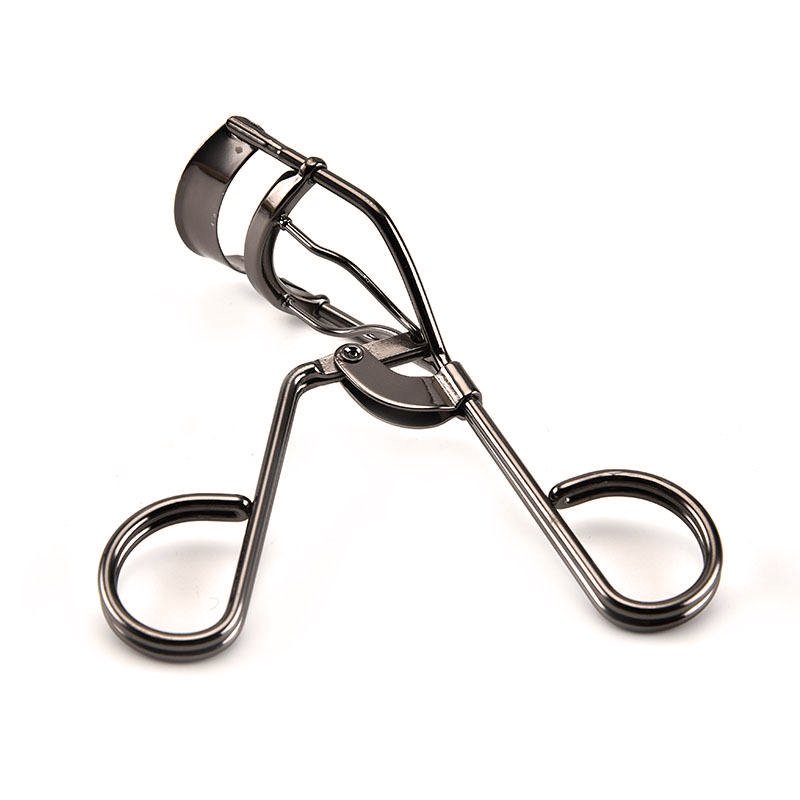
How often should you change eyelash curler pads?
Use the instructions for the specific product. Manufacturers publish different guidance: Tweezerman's FAQ suggests replacing its pad every three months with daily use, while Surratt's Relevee refill instructions give a three-to-four-month interval. These are instructions within each brand's product scope. They do not supply a replacement schedule for a different curler or pad.
For a private-label order, obtain the offered model's care and replacement instructions before approving the insert or product listing. Ask the supplier to explain the basis of the proposed guidance and what conditions require the user to stop using the tool. The brand team should approve the wording alongside the actual assembly. Avoid adding a familiar interval to the artwork simply because another manufacturer uses it.
The instructions should also make the replacement identifiable. A customer who sees only “replace the pad regularly” still needs to know which refill to obtain and how to fit it. Link the care text to a model or refill reference, include an installation diagram when appropriate, and confirm that the packed spare matches the illustrated part. Keep the approved instruction revision with the sample record so later packaging orders use the same information.
Handle damage observations separately from the calendar interval. During sample review, record any split, permanent groove, displacement or other visible change and ask the supplier to assess it against the intended design and instructions. Do not extend a stated interval because a pad still looks acceptable, or diagnose a user's problem from a photograph alone. Customer support needs a defined route for identifying the model, collecting the relevant observations and obtaining a product-specific response.
Refill access is a separate purchasing decision. A spare in the original pack provides an initial replacement, but says nothing about future replenishment. If continuing refills are part of the product plan, discuss the refill reference, packaging, ordering arrangement and handling of later design changes before approving the initial retail artwork. Confirm the offered arrangement for the project before making an availability promise to customers.
Community discussion context: users look for a clearly identified replacement refill.
How do you approve replacement pads for an eyelash curler order?
Build the approval around the assembled product and keep the loose refill traceable to it. Give the curler, pad and drawing their own references. Photograph the candidate with its identification visible in the sample record, then record the installed views and checks. The approval should name the accepted pairing and specification revision so the packing team can distinguish it from a visually similar spare.
For example, a buyer planning two curler models could receive a single bag labelled “black pads.” Before accepting that arrangement, the buyer could ask the supplier to separate and identify the proposed refills for each model. If the supplier intends one pad to serve both, the review would include both assembled pairings. This is a purchasing example, not a report of a Topcom customer order or a tested result.
Agree the check method before evaluating samples. State which assemblies will be reviewed, their condition, the operating sequence and the observations to record. Where a project requires dimensional, force, material or durability testing, define the applicable method and acceptance limits with the supplier or a qualified testing specialist. A sample that looks seated correctly has passed only that observation; it has not automatically passed every requirement in the product brief.
Inspect the spare in its proposed retail packaging as well. Check that the part identity, quantity and any orientation or fitting instructions match the approved pack specification. Open a packed sample and compare the actual refill with the approved reference. Review how the part is retained during the agreed handling check and whether the customer can identify it after opening the pack. Keep a photograph of the accepted packed configuration with the artwork revision.
A useful sample request could read: “Please identify the curler model and the replacement pad proposed for it. Provide the pad drawing revision, measurement method and material declaration, together with loose and installed samples. Please propose the compatibility checks, care instructions and refill identification for review before we approve the pack.” The request names the evidence the buyer needs without prescribing an unverified tolerance or promising a test outcome.
Carry those references into the order documents. A later change to the pad profile, declared material, frame holder or refill pack should trigger review of the affected pairing and instructions. Keep the earlier approved reference rather than silently replacing its file. Purchasing can then explain which revision was ordered, and customer support can identify which refill belongs to a tool already sold.
To discuss a curler project with Topcom, send the selected model or clear front and side photographs, target market, and whether you need an included spare, a separate refill pack, or both. Include the checks and packaging you want reviewed through the beauty tools inquiry form. The next step is to agree the proposed pairing and sample-review scope for that project.