EU Beauty Product Regulations You Must Know Before Importing
The European Union (EU) is one of the world’s largest markets for beauty and personal care products. However, it is also one of the most highly regulated. Importers, beauty brands, distributors, and Amazon sellers must ensure that their products comply with EU requirements before entering the market.
If you source a customized beauty and personal care tool from an OEM manufacturer, understanding these regulations can help you avoid customs delays, product recalls, fines, and reputational damage.
This guide outlines the key EU regulations every importer should know before importing beauty tools.
Why EU Compliance Matters
EU regulations are designed to protect consumers by ensuring products are safe, properly labeled, and environmentally responsible.
Failure to comply may result in:
- Customs clearance delays
- Product recalls
- Sales bans
- Financial penalties
- Damage to brand reputation
Choosing an experienced OEM manufacturer with compliance knowledge can significantly reduce these risks.
1. Understand the Difference Between Cosmetics and Beauty Tools
Many importers confuse cosmetic products with beauty tools.
Cosmetic Products
Examples include:
- Nail polish
- Creams
- Lotions
- Serums
- Makeup
These are generally regulated under the EU Cosmetics Regulation (EC) No. 1223/2009.
Beauty Tools
Examples include:
- Nail clippers
- Nail files
- Tweezers
- Cuticle nippers
- Manicure sets
- Hair brushes
These are generally not classified as cosmetics, but they must still comply with applicable EU product safety legislation.
Understanding the correct product classification is the first step toward compliance.
2. General Product Safety Regulation (GPSR)
The General Product Safety Regulation (EU) 2023/988 (GPSR) applies to most consumer products placed on the EU market, including many beauty tools.
Importers should ensure products are:
- Safe under normal use
- Properly labeled
- Traceable
- Accompanied by necessary safety information
Manufacturers should maintain technical documentation to demonstrate product safety.
3. REACH Compliance
Many beauty tools contain:
- Stainless steel
- ABS plastic
- PP plastic
- Silicone
- Rubber coatings
- Paints
- Adhesives
These materials should comply with REACH (Registration, Evaluation, Authorisation and Restriction of Chemicals) requirements.
REACH aims to restrict hazardous substances in products sold within the EU.
Common concerns include:
- Heavy metals
- Certain phthalates
- Restricted chemicals
- Substances of Very High Concern (SVHC)
Many buyers request REACH test reports before placing orders.
4. Packaging Requirements
Packaging must also comply with EU requirements.
Consider using:
- Recyclable materials
- FSC-certified paper
- Reduced plastic packaging
- Eco-friendly printing inks
Well-designed packaging improves sustainability while supporting premium brand positioning.
5. Product Labeling
Proper labeling is essential.
Typical information includes:
- Product name
- Manufacturer or importer details
- Country of origin (where required)
- Batch number
- Material information
- Usage instructions
- Safety warnings (if applicable)
Incorrect or incomplete labels may delay customs clearance.
6. Barcode and Product Identification
Many retailers and marketplaces require:
- EAN/GTIN barcodes
- Batch numbers
- Traceability systems
These identifiers help improve inventory management and product recalls if necessary.
7. Product Testing
Although many beauty tools do not require mandatory certification like electrical products, buyers frequently request third-party testing.
Common reports include:
- REACH
- Material safety testing
- Heavy metal testing
- Nickel release testing (for applicable metal products)
- Mechanical durability testing
Testing increases buyer confidence and facilitates smoother imports.
8. Environmental Responsibility
European consumers increasingly prefer sustainable beauty products.
Growing trends include:
- Glass nail files
- Bamboo beauty tools
- Recycled materials
- Plastic-free packaging
Eco-friendly customized beauty and personal care tool products are becoming a competitive advantage.
9. Documentation Importers Should Request
Before shipping, importers should request:
- Product specifications
- Material declarations
- Test reports
- Quality inspection reports
- Packing list
- Commercial invoice
- Certificate of origin (if required)
- Compliance documentation (where applicable)
Complete documentation speeds customs clearance.
10. Choose an Experienced OEM Manufacturer
A professional OEM partner understands international compliance requirements and can help reduce import risks.
Look for manufacturers that provide:
- OEM & ODM development
- Quality management systems
- Compliance support
- Product testing assistance
- Export documentation
- Stable production capacity
Working with an experienced factory saves time and reduces compliance risks.
Common Beauty Tools Imported into Europe
Popular products include:
- Nail clippers
- Glass nail files
- Crystal nail files
- Emery boards
- Cuticle nippers
- Cuticle pushers
- Cuticle scissors
- Eyebrow tweezers
- Eyelash curlers
- Manicure sets
- Hair brushes
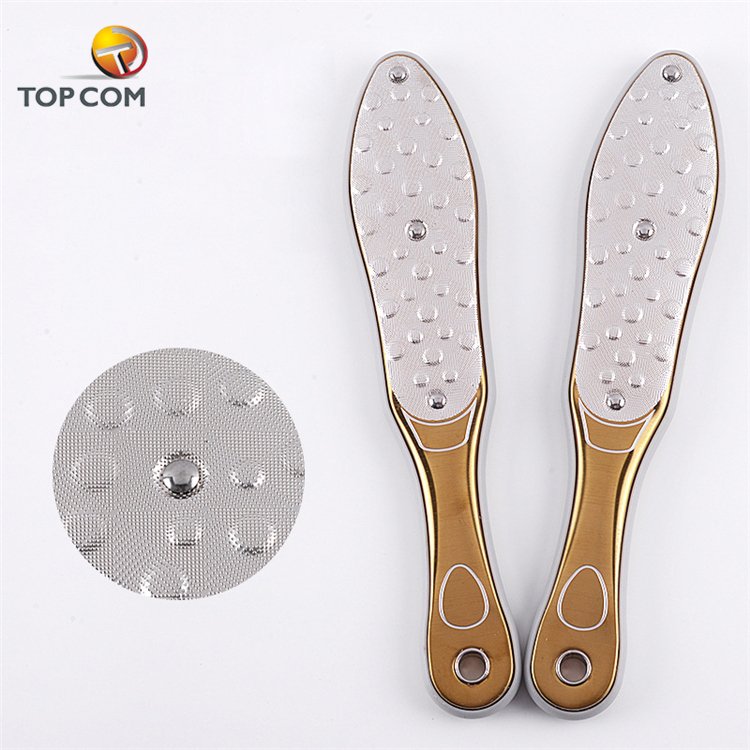
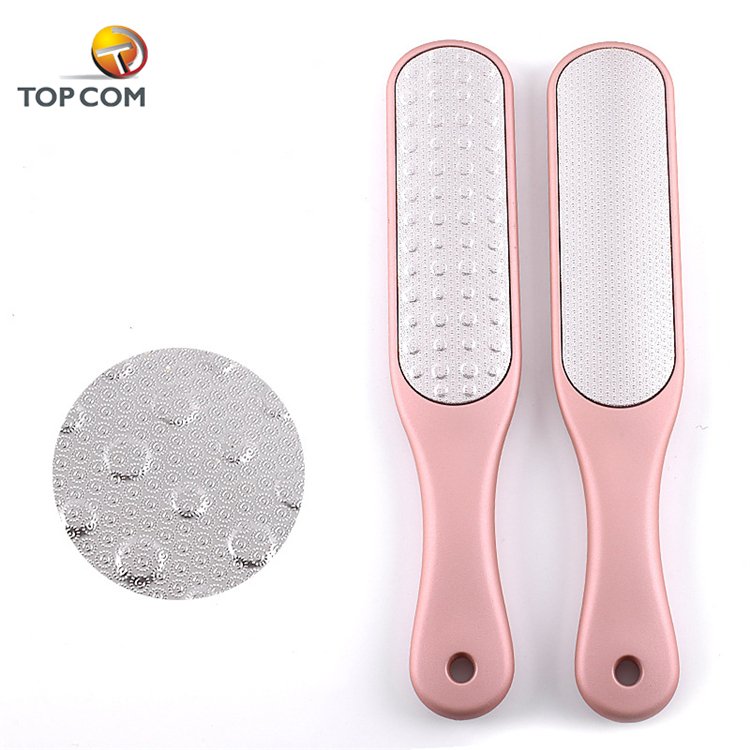
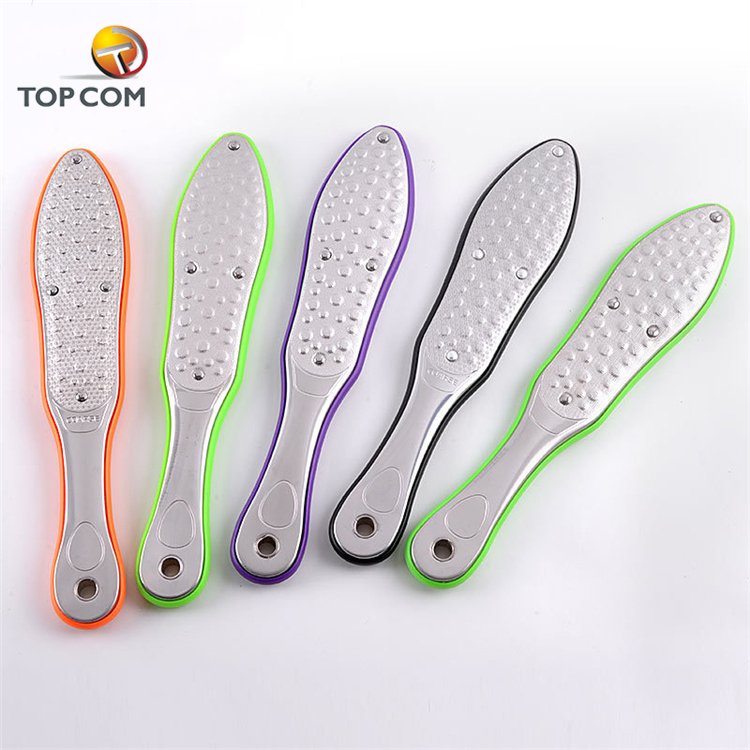
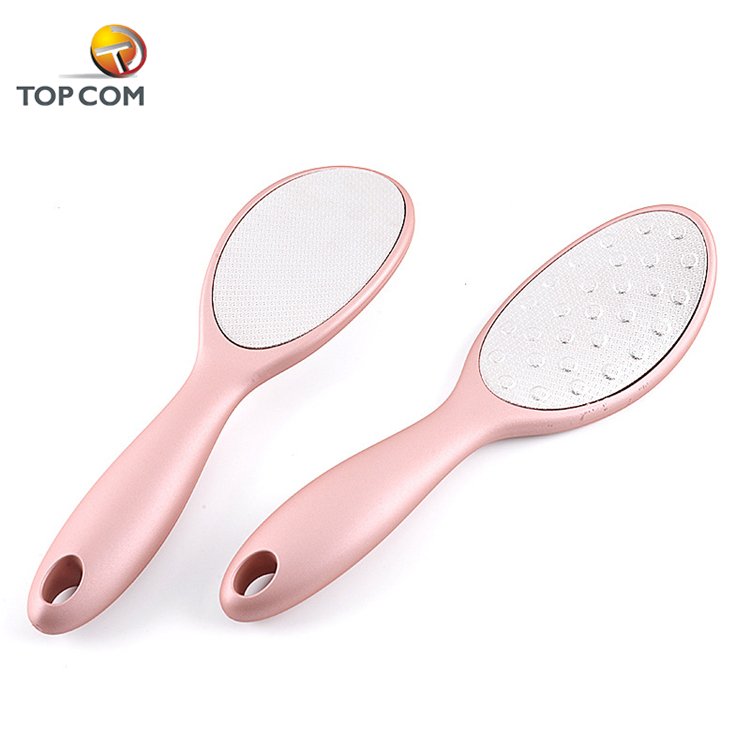
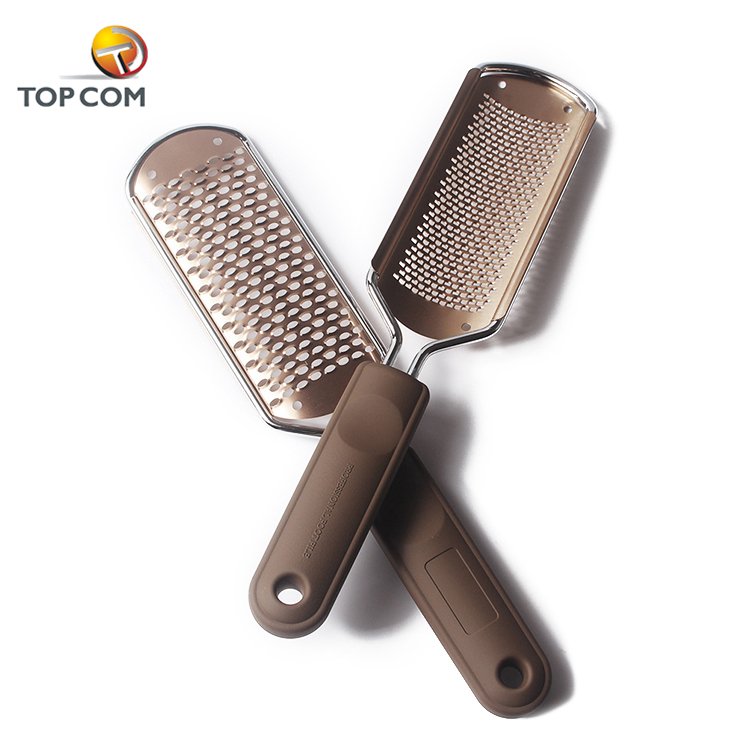
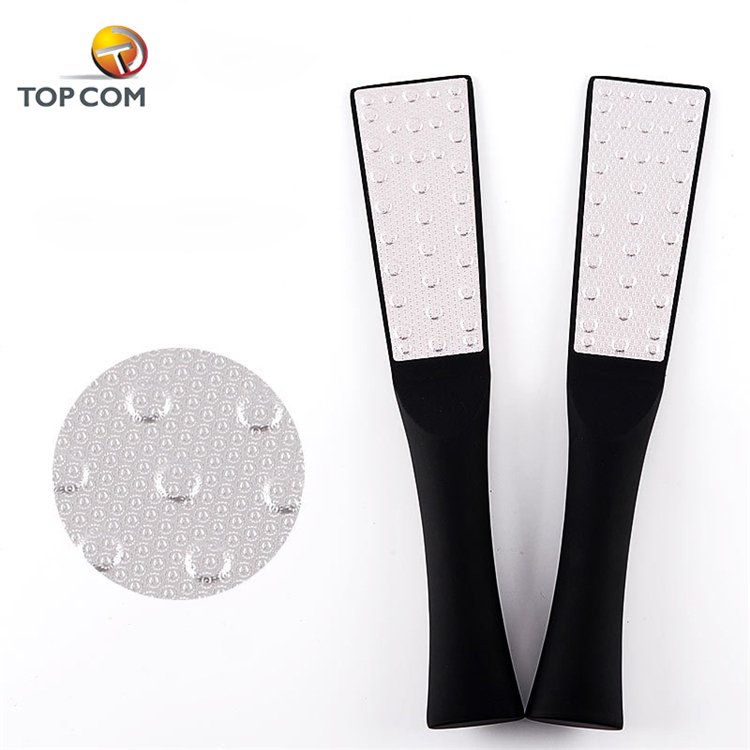
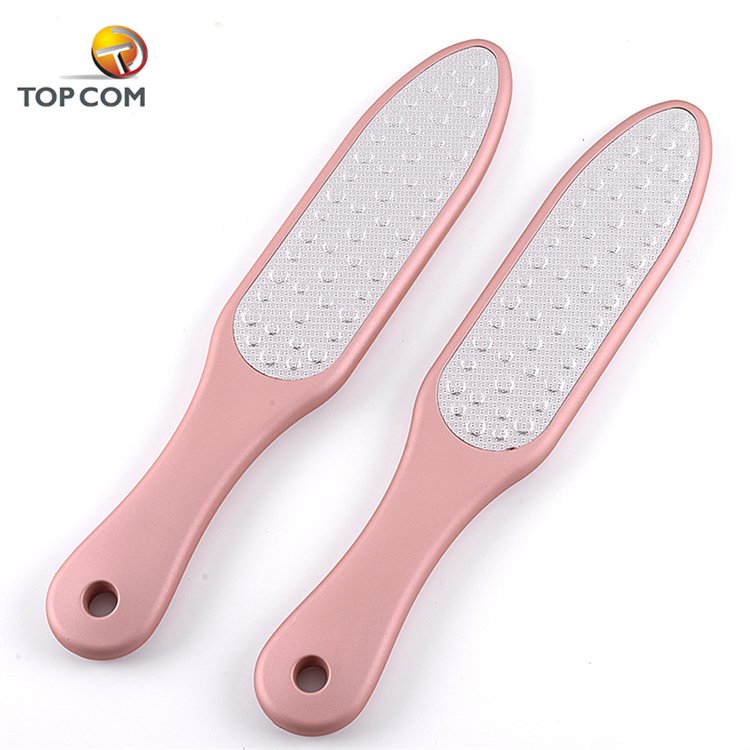
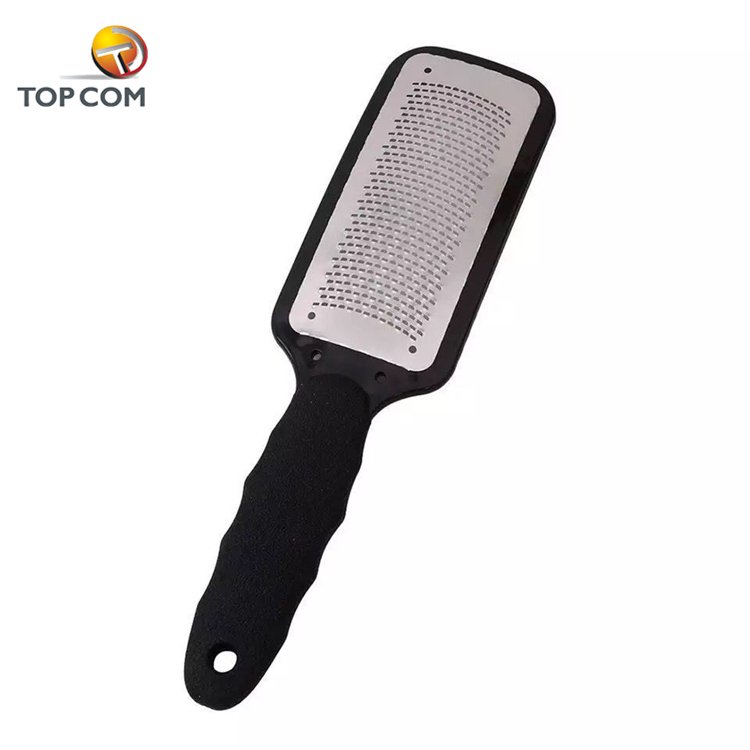
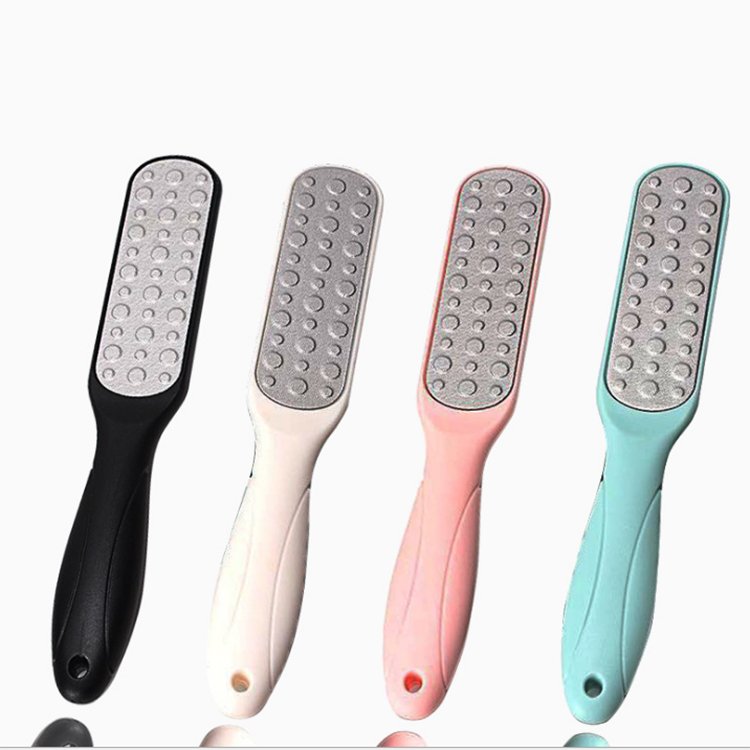
- Foot files
Most of these products can be developed as customized beauty and personal care tool solutions for private label brands.
Why Global Buyers Choose Topcom
Topcom is a professional OEM & ODM manufacturer specializing in customized beauty and personal care tool products.
Our Advantages
26+ Years Manufacturing Experience
Professional production of:
- Nail tools
- Beauty accessories
- Hair care tools
- Personal care products
Exported to 120+ Countries
Trusted by:
- Beauty brands
- Importers
- Wholesalers
- Distributors
- Retailers
- Salon chains
- Amazon sellers
OEM & ODM Customization
We support:
- Custom logo printing
- Custom colors
- Private label packaging
- Product development
- Exclusive mold creation
Fast Production
- Free samples available
- 7-day sample production
- 15-day mass production
Strict Quality Control
Professional inspections ensure consistent product quality and reliable delivery.
Future Trends in the EU Beauty Market
European buyers increasingly prioritize:
- Sustainable materials
- Premium packaging
- Eco-friendly manufacturing
- Compliance documentation
- Private label development
- Product innovation
Manufacturers that combine compliance with customization will be best positioned for long-term success.
Conclusion
Successfully importing beauty tools into Europe requires more than competitive pricing. Compliance with EU regulations, product safety standards, and sustainability expectations is essential.
Partnering with a reliable OEM manufacturer that understands international requirements allows beauty brands to launch products confidently while minimizing regulatory risks.
🚀 Build Your EU-Compliant Beauty Brand with Topcom
Why Choose Topcom?
✅ 26+ Years Manufacturing Experience
✅ Exported to 120+ Countries
✅ OEM & ODM Customization
✅ REACH Material Support
✅ Compliance Documentation Assistance
✅ Free Samples Available
✅ 7-Day Sample Production
✅ 15-Day Mass Production
✅ Professional Quality Control
✅ Factory Direct Pricing
📩 High-Converting CTA Section
Ready to Import Beauty Tools into Europe?
👉 Request Free Samples
👉 Get an OEM & ODM Quotation
👉 Discuss EU Compliance Requirements
👉 Contact Us via WhatsApp
👉 Build Your Private Label Beauty Brand Today
💼 Global Recruitment & Commission Partnership Program
Topcom is expanding its global business network and is looking for:
- Commission-based sales representatives
- Freelance sourcing consultants
- Beauty industry distributors
- Amazon and e-commerce consultants
- Import/export agents
- Overseas business development partners
If you have customer resources in the beauty, nail care, salon, wholesale, retail, or e-commerce industries, we welcome you to join our partnership program.
Earn attractive commissions by introducing OEM and private label beauty tool projects.
📲 Contact Us Today to Become Our Global Partner!