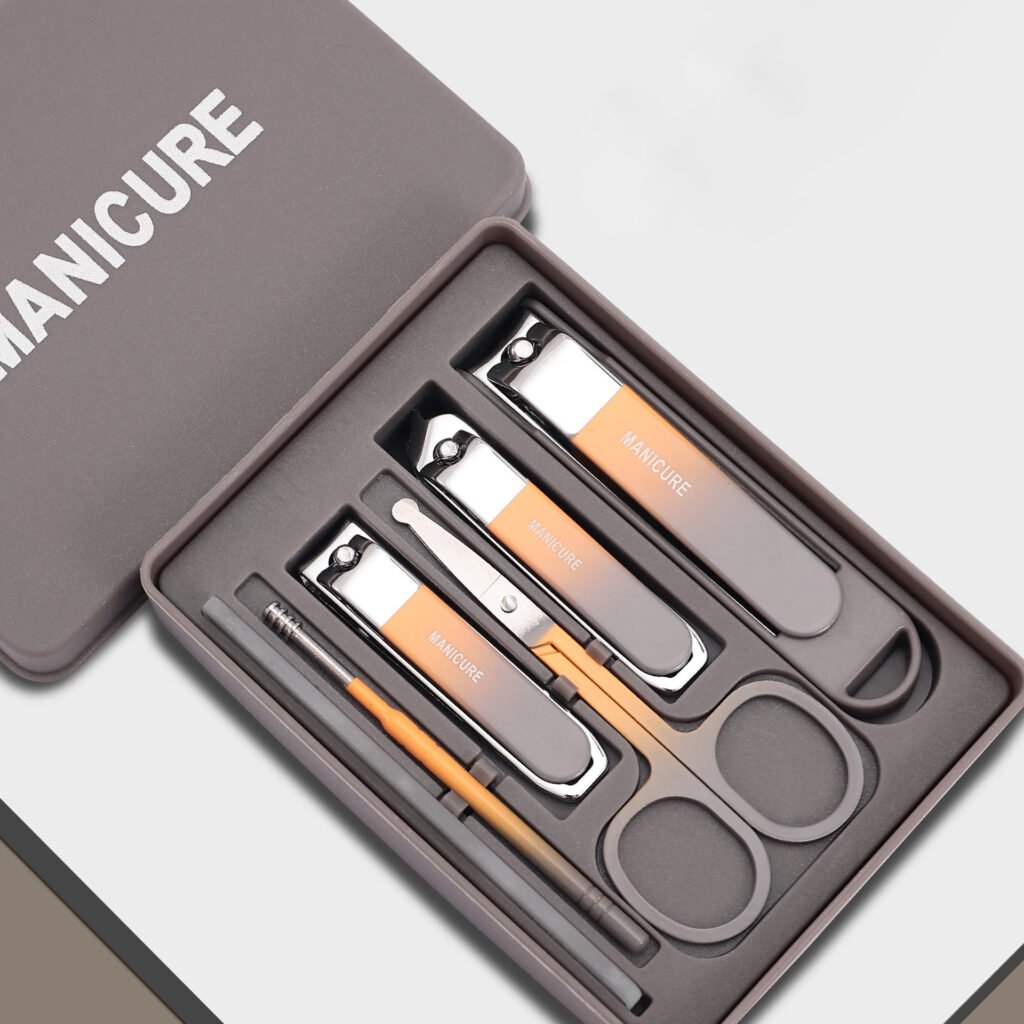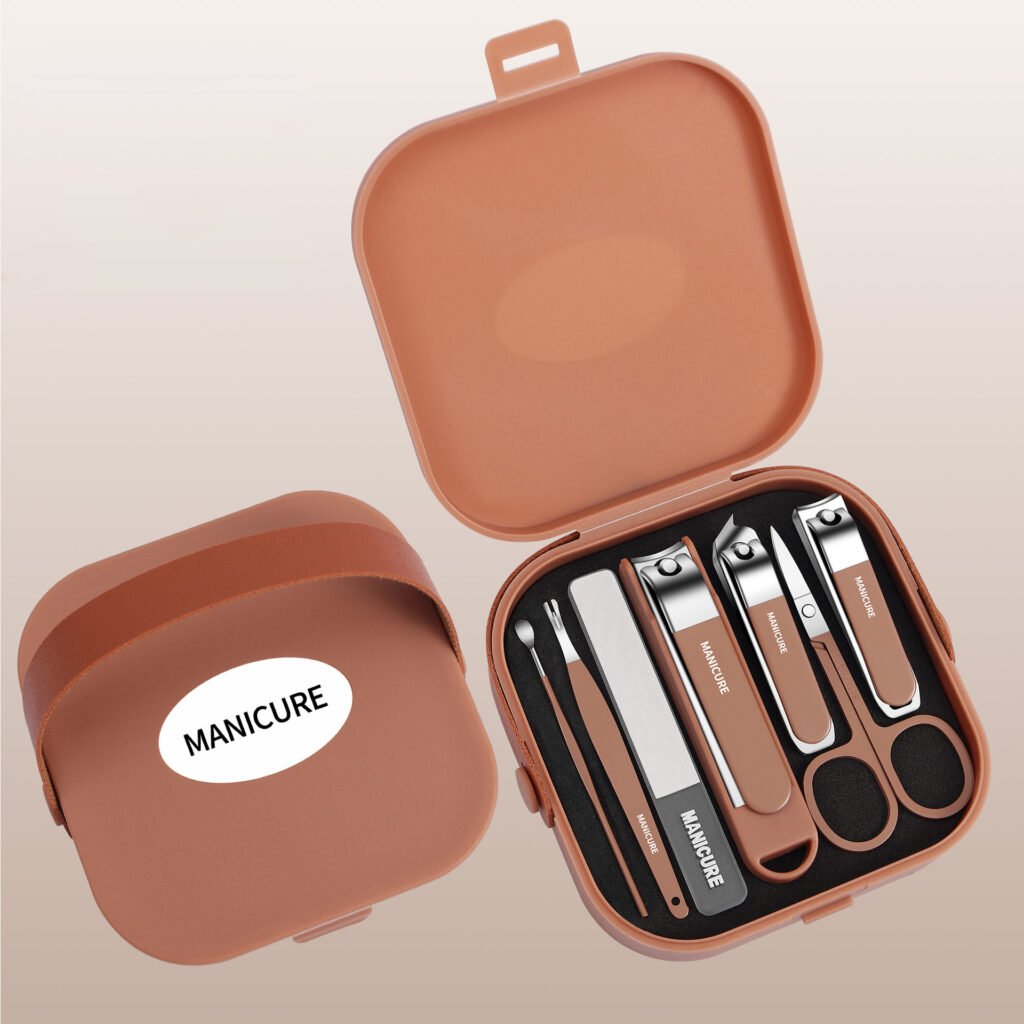
How to Start Your Own Private Label Beauty Tools Brand
Core Keyword: Private Label Beauty Tools
The global beauty industry continues to grow steadily, but one segment that remains highly profitable and scalable is Private Label Beauty Tools. From hair brushes and eyelash tools to nail care kits and grooming accessories, beauty tools are lightweight, repeat-purchase, and ideal for both online and offline distribution.
If you are an Amazon seller, salon owner, distributor, or entrepreneur looking to build your own beauty brand, launching a Private Label Beauty Tools line can be one of the smartest moves in 2026.
This comprehensive guide will walk you through the complete process—from idea validation to supplier selection, production, compliance, branding, and scaling.
1. What Are Private Label Beauty Tools?
Private Label Beauty Tools refer to beauty accessories manufactured by a supplier but branded and sold under your own brand name.
Instead of building a factory, you work with an OEM/ODM manufacturer who:
Produces the product
Customizes logo & packaging
Follows your branding guidelines
Ensures compliance & quality control
This model allows you to focus on:
Brand building
Marketing
Channel expansion
Cash flow management
Without heavy fixed asset investment.
2. Why Private Label Beauty Tools Are a Smart Business Model
2.1 Low Development Risk
Unlike skincare formulations, beauty tools do not require:
Complex chemical testing
Long R&D cycles
High regulatory barriers (depending on product type)
This makes them faster to launch.
2.2 High Margin Potential
Beauty tools often have:
Low production cost
High perceived value
Strong bundling opportunities
With proper positioning, gross margins can exceed 40–60%.
2.3 Platform Friendly
Private Label Beauty Tools perform well on:
Amazon
TikTok Shop
Shopify
Shopee
Retail chains
Salon wholesale
They are lightweight and easy to ship globally.
3. Step 1: Define Your Market Positioning
Before contacting any manufacturer, answer these questions:
Who is your target customer?
What price range are you targeting?
What problem are you solving?
Which country are you selling to?
Online or offline channels?
Examples:
| Target Market | Strategy |
|---|---|
| Amazon US | Focus on differentiation & reviews |
| EU Retail | Emphasize eco-friendly materials |
| Salon Market | Durable, professional-grade tools |
| Influencer Brand | Trend-driven designs |
Without clear positioning, you will enter price competition.
4. Step 2: Choose the Right Product Category
Popular Private Label Beauty Tools categories include:
Hair brushes & combs
Eyelash tools & strip lashes
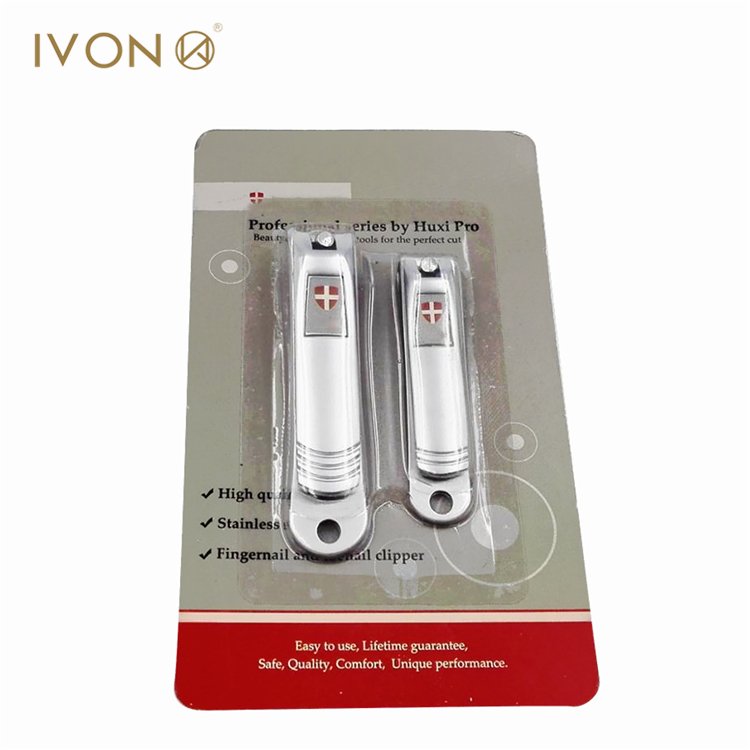
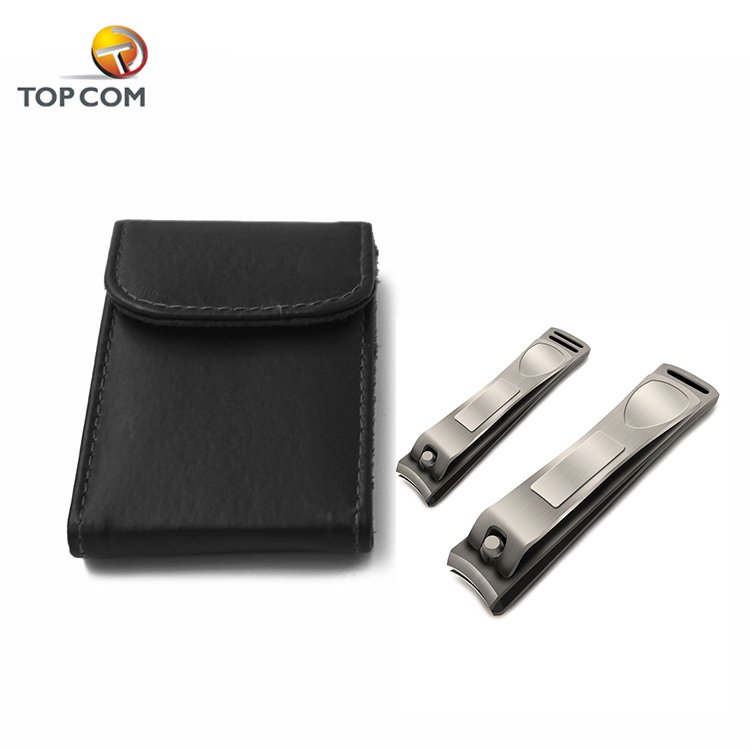
Nail care kits
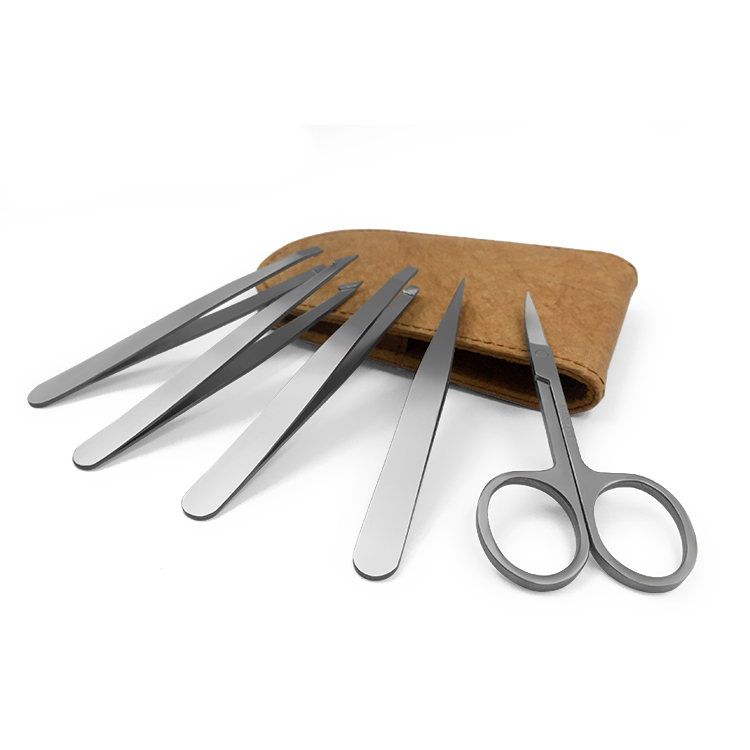
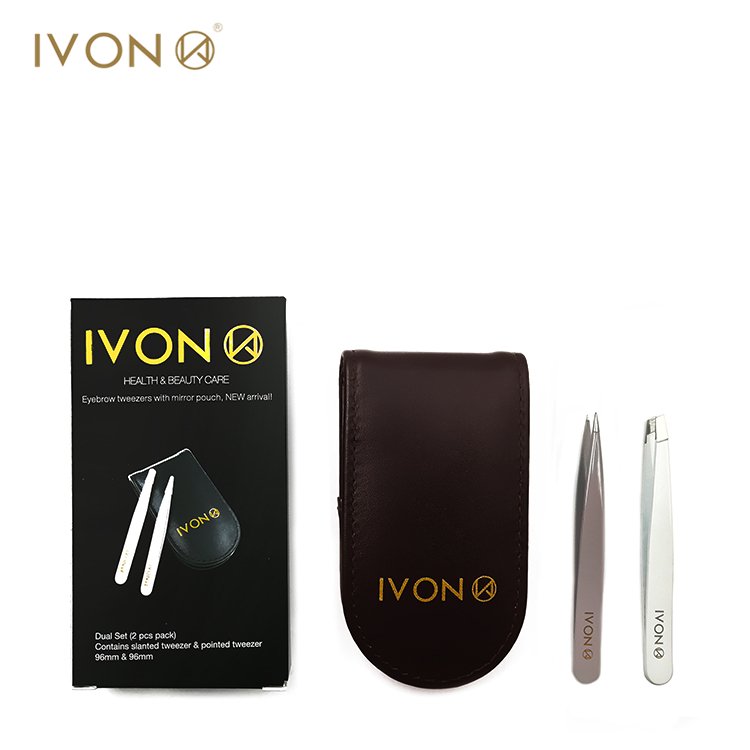
Tweezers & grooming tools
Beauty scissors
Makeup tools
Travel beauty sets
Beginners should start with:
2–3 SKUs only
Proven market demand
Simple structure products
Avoid over-expanding too early.
5. Step 3: Select the Right OEM / ODM Manufacturer
Choosing the right supplier determines 50% of your success.
Key Criteria:
Experience in Private Label Beauty Tools
Clear production lead time
Stable MOQ policy
Quality control process
Export experience
Compliance knowledge
Ask suppliers:
What markets do you export to?
Can you support packaging design?
Do you offer exclusive mold development?
How do you handle defective rates?
Do not choose based only on lowest price.
6. Step 4: Customization Strategy
There are 3 levels of customization:
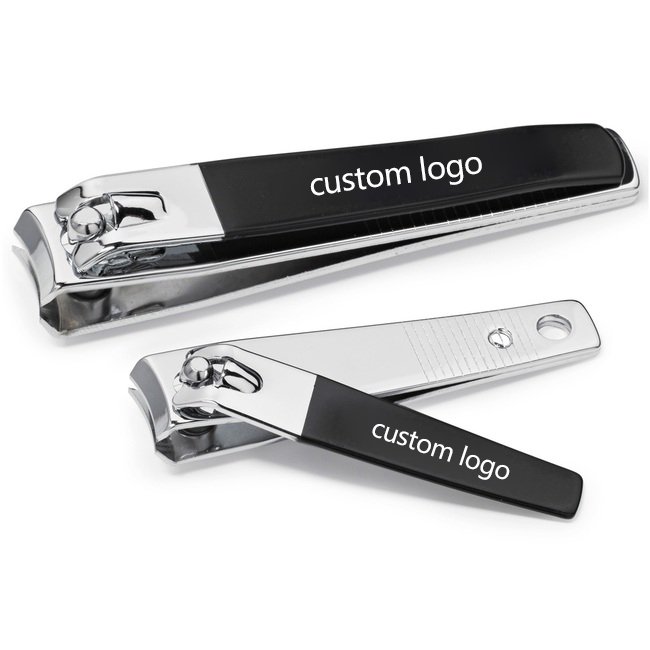
Level 1 – Logo Customization
Add logo to existing hot-selling products
Lowest risk
Fast launch
Level 2 – Structural Modification
Change color
Improve handle design
Upgrade materials
Custom packaging
Level 3 – Exclusive Mold Development
Unique shape
Patent protection
Long-term brand building
New brands should begin with Level 1 or 2.
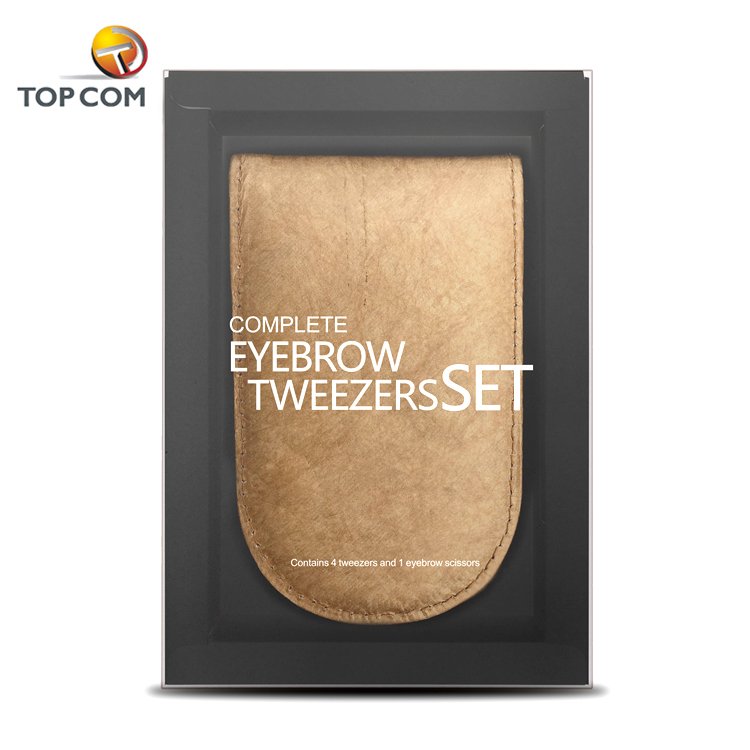
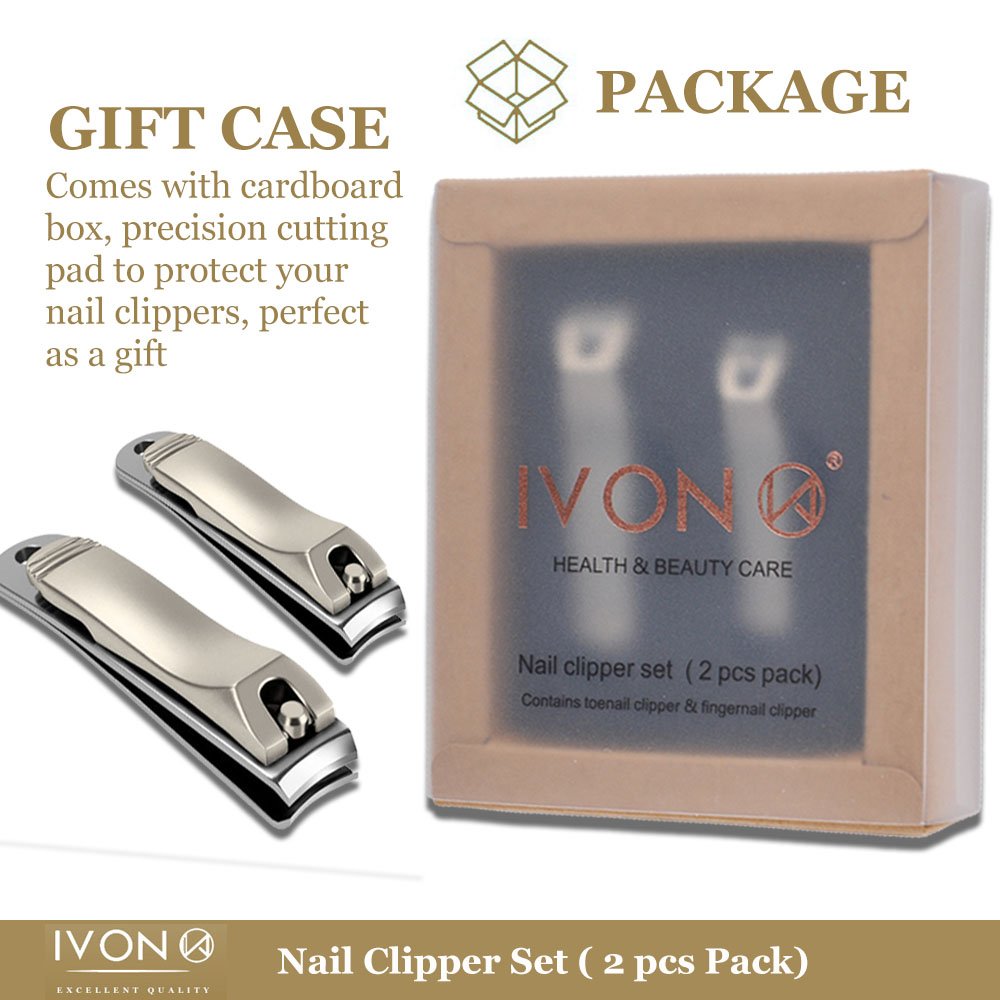
7. Step 5: Packaging Strategy = Perceived Value
In Private Label Beauty Tools, packaging often determines pricing power.
Options include:
Magnetic rigid boxes
Eco kraft packaging
Window retail boxes
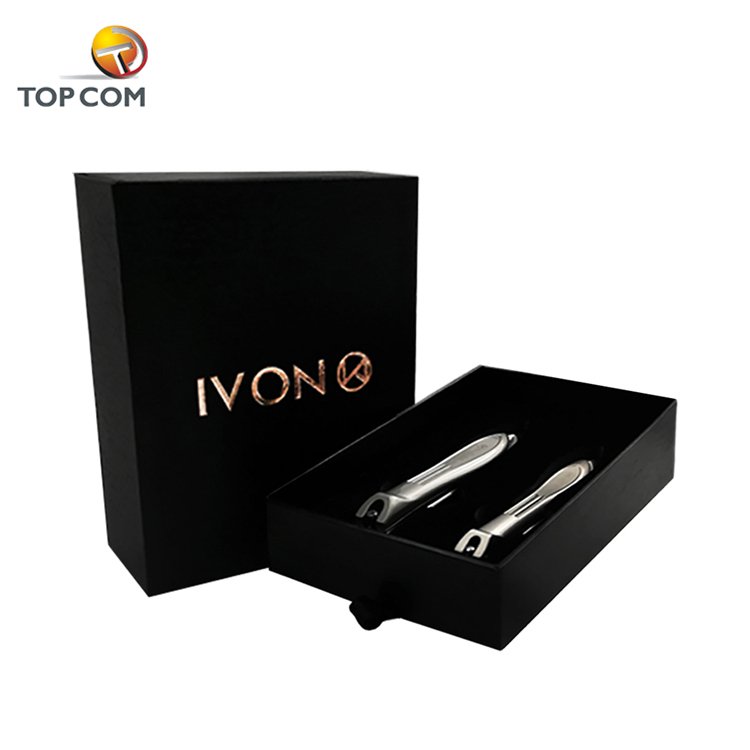
Drawer-style premium packaging
Bundle sets
Premium packaging can increase retail price by 20–50%.
8. Step 6: Understand Compliance & Regulations
Different markets require different standards.
For example:
EU requires REACH compliance for materials
Some markets require labeling standards
Adhesives for eyelash products require MSDS documentation
Consult your manufacturer about:
Material safety
Export documentation
Testing reports
Compliance prevents future risk.
9. Step 7: Cost & Cash Flow Planning
Many new importers fail due to cash flow mismanagement.
Key financial considerations:
MOQ investment
Packaging development cost
Shipping & freight
Customs duties
Marketing budget
Inventory turnover
Best practice:
Start with small batches
Negotiate staged payments
Avoid overstocking slow-moving SKUs
Healthy inventory turnover keeps your capital flexible.
10. Step 8: Launch Strategy on Amazon & E-commerce
If launching Private Label Beauty Tools on Amazon:
Optimize for:
High-quality images
Clear benefit-focused bullet points
Bundle strategy
Strong differentiation
Avoid:
Competing only on price
Copying trending products blindly
Ignoring review strategy
Use packaging and niche positioning to avoid price wars.
11. Step 9: Build Long-Term Brand Equity
Private label is not just reselling—it is brand building.
Long-term strategy includes:
Expanding product lines
Creating signature series
Developing exclusive molds
Improving packaging quality
Building social proof
Move from “supplier-based” to “brand-based” business model.
12. Common Mistakes to Avoid
Starting with too many SKUs
Choosing cheapest supplier only
Ignoring compliance
Overstocking inventory
Competing on price instead of differentiation
Poor packaging investment
Private Label Beauty Tools success requires structured planning.
13. Why Private Label Beauty Tools Are a Scalable Model
Once you build:
Reliable supplier relationship
Clear brand positioning
Stable SKU structure
Inventory management system
You can:
Expand to new markets
Increase bundle offerings
Enter wholesale channels
Develop exclusive molds
This is how small sellers grow into brand owners.
Conclusion
Starting a Private Label Beauty Tools brand is one of the most practical and scalable ways to enter the beauty industry.
It requires:
Clear positioning
Smart supplier selection
Thoughtful customization
Cash flow control
Long-term brand mindset
With the right manufacturing partner, you can reduce risk, control quality, and focus on building a brand that stands out in competitive global markets.
If you are planning to launch or upgrade your Private Label Beauty Tools line, working with an experienced OEM/ODM partner can significantly shorten your path to success.