OEM vs ODM: Which Model Is Right for Your Beauty Business?
Core Keyword: OEM ODM Beauty Tools
The global beauty industry continues to evolve rapidly, and beauty tools have become an essential part of both professional and personal care routines. From hair brushes and combs to eyelash accessories, manicure kits, and grooming tools, the demand for high-quality beauty tools keeps increasing worldwide. For entrepreneurs, distributors, and beauty brands looking to enter or expand in this market, choosing the right manufacturing model is a crucial decision.
Two of the most common manufacturing models in the industry are OEM (Original Equipment Manufacturing) and ODM (Original Design Manufacturing). Understanding the differences between these models is essential for businesses planning to develop OEM ODM Beauty Tools under their own brand.
This article will explore what OEM and ODM mean, their advantages and disadvantages, and how to determine which model best suits your beauty business.
Understanding OEM in the Beauty Tools Industry
OEM, or Original Equipment Manufacturing, refers to a production model in which a company manufactures products based on the buyer’s specific design, requirements, and branding. In this model, the buyer owns the product concept, design, and intellectual property, while the manufacturer provides the production capability.
In the OEM ODM Beauty Tools sector, OEM typically means that a beauty brand develops a unique product concept—such as a specialized hair brush design or a custom eyelash applicator—and works with a manufacturer to produce it.
Key Characteristics of OEM
The buyer provides the product design or concept.
The manufacturer produces according to the buyer’s specifications.
The buyer owns the intellectual property and branding.
Production may require custom molds or tooling.
Advantages of OEM
1. Strong Brand Differentiation
OEM allows companies to create completely unique beauty tools that competitors cannot easily replicate. This is particularly valuable in competitive markets like Amazon, retail chains, and professional salon distribution.
2. Intellectual Property Protection
Because the buyer provides the design, the product belongs to the brand owner. This reduces the risk of identical products appearing in the market.
3. Premium Market Positioning
Unique product designs often support higher pricing strategies and premium branding.
4. Long-Term Competitive Advantage
Brands that invest in OEM development can build product portfolios that distinguish them from standard wholesale products.
Disadvantages of OEM
Higher Development Cost
OEM projects often require new molds, prototypes, and design work, which increases the initial investment.
Longer Development Time
Product development, sampling, and mold production can take several weeks or months before mass production begins.
Higher Minimum Order Quantity
Custom molds and production setups typically require larger order volumes.
Understanding ODM in the Beauty Tools Industry
ODM, or Original Design Manufacturing, refers to a model where the manufacturer already has existing product designs. Buyers select these designs and customize them with their own branding, packaging, or minor modifications.
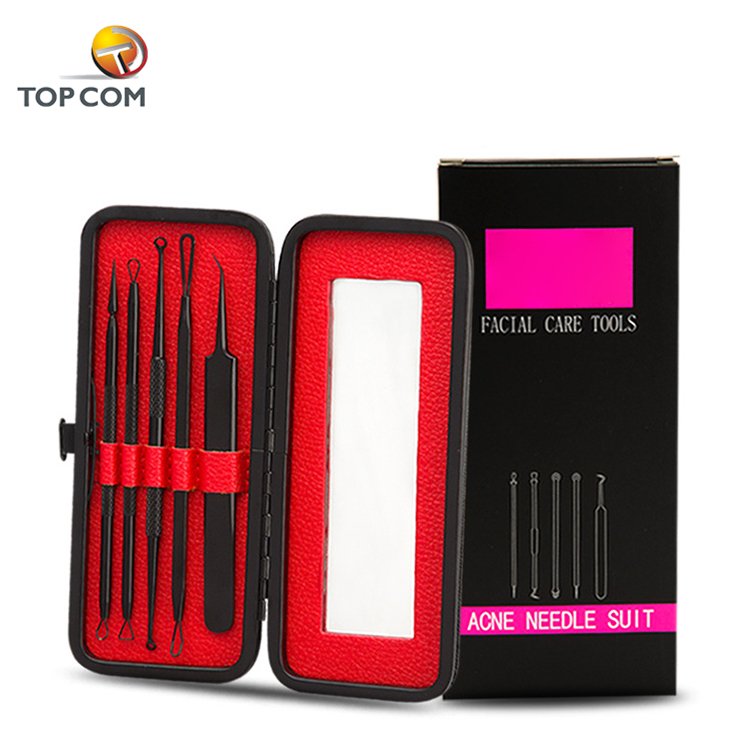
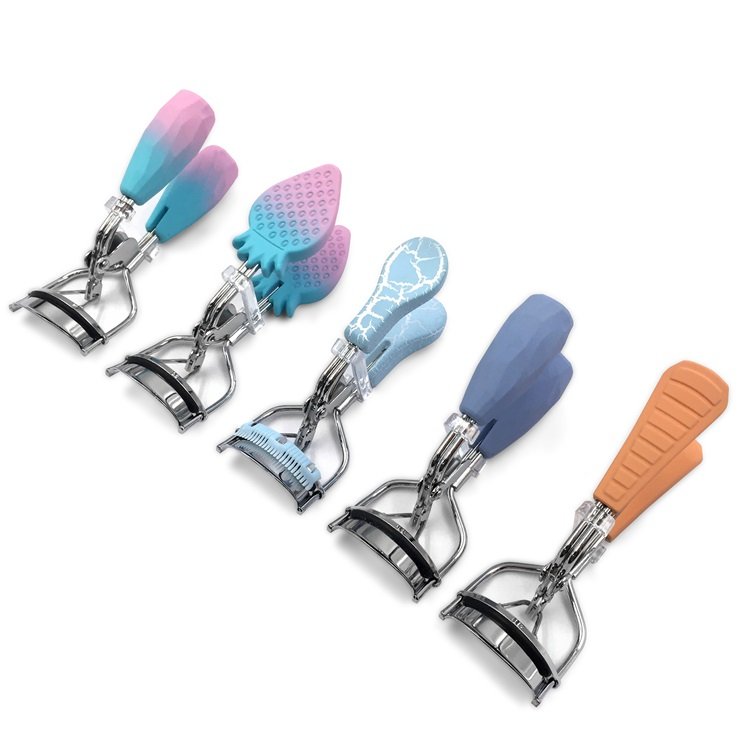
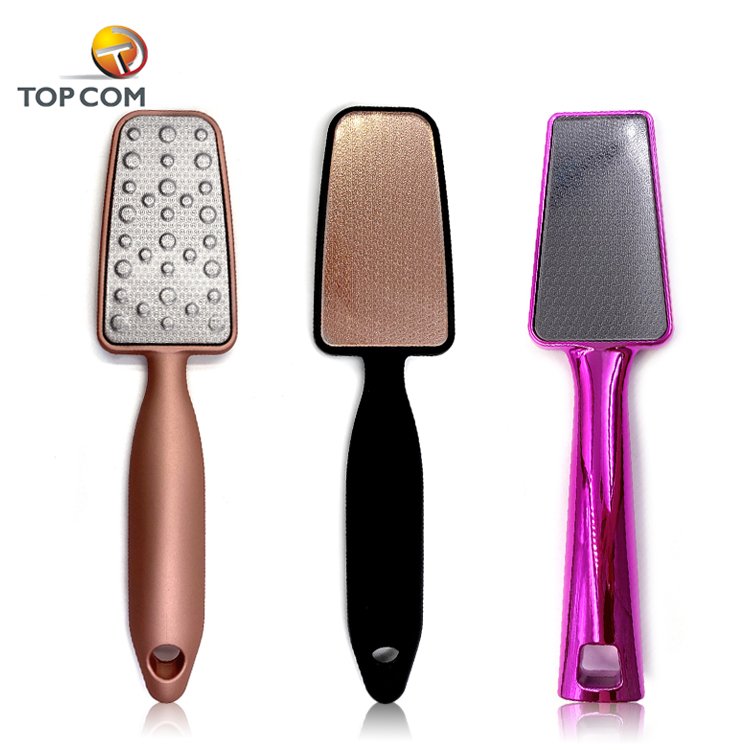
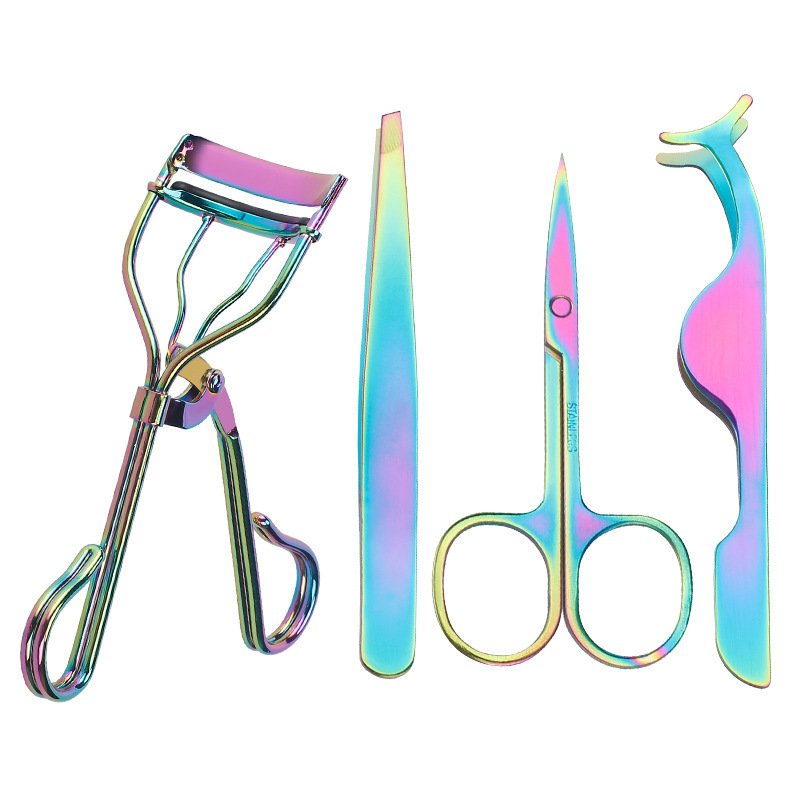
In the OEM ODM Beauty Tools industry, ODM is very common for products like hair brushes, combs, eyelash tools, nail kits, and beauty accessories.
Key Characteristics of ODM
The manufacturer owns the original product design.
Buyers can customize branding, color, and packaging.
Production uses existing molds and structures.
Development time is relatively short.
Advantages of ODM
1. Faster Market Entry
Since the product structure already exists, businesses can launch products quickly without waiting for mold development.
2. Lower Development Cost
ODM eliminates the need for expensive mold development and design work.
3. Lower Risk for Startups
New brands can test the market without committing to large investments.
4. Flexible Product Selection
Manufacturers usually offer a wide range of existing products for buyers to choose from.
Disadvantages of ODM
Limited Product Differentiation
Because the design belongs to the manufacturer, other brands may sell similar products.
Higher Market Competition
Products based on standard molds may face more price competition.
Less Control Over Product Design
Buyers may only modify colors, packaging, or minor details rather than the entire structure.
Key Differences Between OEM and ODM Beauty Tools
Understanding the fundamental differences between OEM and ODM helps businesses choose the most suitable strategy.
| Feature | OEM Beauty Tools | ODM Beauty Tools |
|---|---|---|
| Product Design | Provided by buyer | Provided by manufacturer |
| Development Time | Longer | Shorter |
| Initial Investment | Higher | Lower |
| Product Uniqueness | High | Moderate |
| Market Entry Speed | Slower | Faster |
| Intellectual Property | Owned by buyer | Usually owned by manufacturer |
| MOQ Requirement | Higher | Lower |
Both models play important roles in the OEM ODM Beauty Tools market, but the right choice depends on business goals, budget, and market strategy.
Which Model Is Better for Startups?
For startups entering the beauty tools industry, ODM is usually the most practical option.
New brands often face limited resources and uncertain demand. ODM allows them to test the market with lower risk while focusing on branding and marketing.
A typical startup strategy may include:
Selecting existing beauty tool designs
Adding custom logo and packaging
Launching on e-commerce platforms such as Amazon or Shopify
Gathering customer feedback before investing in OEM development
This approach minimizes financial risk while building market presence.
When Should Businesses Choose OEM?
OEM becomes more valuable as a brand grows and seeks long-term differentiation.
Established beauty brands often choose OEM when they want to:
Develop signature product lines
Create patented designs
Build a premium brand identity
Avoid price competition on standardized products
For example, a brand selling professional hair brushes might design an ergonomic handle, a unique bristle structure, or a specialized scalp-massage cushion. These features can only be achieved through OEM development.
Over time, OEM investment can create a product portfolio that competitors cannot easily copy.
Hybrid Strategy: Combining OEM and ODM
Many successful beauty brands adopt a hybrid strategy that combines both OEM and ODM.
In the early stage, companies launch ODM products to enter the market quickly. After gaining experience and market insight, they gradually introduce OEM designs to build a stronger brand identity.
A common development path looks like this:
Stage 1 – ODM Launch
Select popular beauty tools
Customize packaging and branding
Test product demand
Stage 2 – Product Optimization
Improve materials
Modify colors and packaging
Develop product bundles
Stage 3 – OEM Development
Create exclusive molds
Launch signature product lines
Expand global distribution
This gradual approach balances risk, investment, and long-term growth.
Factors to Consider Before Choosing OEM or ODM
Before deciding on an OEM ODM Beauty Tools strategy, businesses should evaluate several key factors.
Budget and Investment
OEM requires higher upfront investment, while ODM offers a more cost-efficient entry point.
Time to Market
If speed is critical, ODM allows faster product launches.
Brand Strategy
Companies focused on long-term brand differentiation may prefer OEM.
Order Volume
Large order volumes can justify OEM mold development.
Market Competition
Highly competitive markets often require stronger product differentiation.
Carefully evaluating these factors helps businesses choose the most suitable manufacturing model.
The Role of a Reliable Manufacturing Partner
Regardless of whether a business chooses OEM or ODM, working with a reliable manufacturer is essential for success.
An experienced OEM ODM Beauty Tools manufacturer can provide:
Product development expertise
Quality control systems
Packaging and branding support
Compliance knowledge for international markets
Stable production capacity
Strong supplier partnerships also support long-term product innovation and supply chain stability.
Quality Control and Compliance
Quality and compliance are critical when producing beauty tools for international markets.
Manufacturers must ensure that products meet safety standards, material regulations, and packaging requirements in different regions.
For example:
European markets may require compliance with REACH regulations.
Some markets require specific labeling or documentation.
Product durability and safety testing may be necessary.
A professional manufacturer can guide brands through these requirements.
Building a Sustainable Beauty Tools Brand
Choosing the right production model is only one part of building a successful beauty brand.
Long-term growth requires attention to several additional factors:
Product innovation
Brand storytelling
Packaging design
Customer experience
Supply chain reliability
Brands that combine strong design, consistent quality, and effective marketing can build lasting value in the global beauty industry.
Conclusion
Both OEM and ODM play important roles in the OEM ODM Beauty Tools industry. Each model offers unique advantages depending on the business stage, budget, and long-term goals.
ODM is often the best starting point for new brands because it allows faster market entry and lower investment. OEM, on the other hand, is ideal for businesses seeking product differentiation and long-term brand strength.
Many successful companies begin with ODM products and gradually transition to OEM development as their brand grows.
By carefully evaluating your business strategy and partnering with a reliable manufacturer, you can choose the right model and build a strong, competitive beauty tools brand in the global market.